November 6, 2026
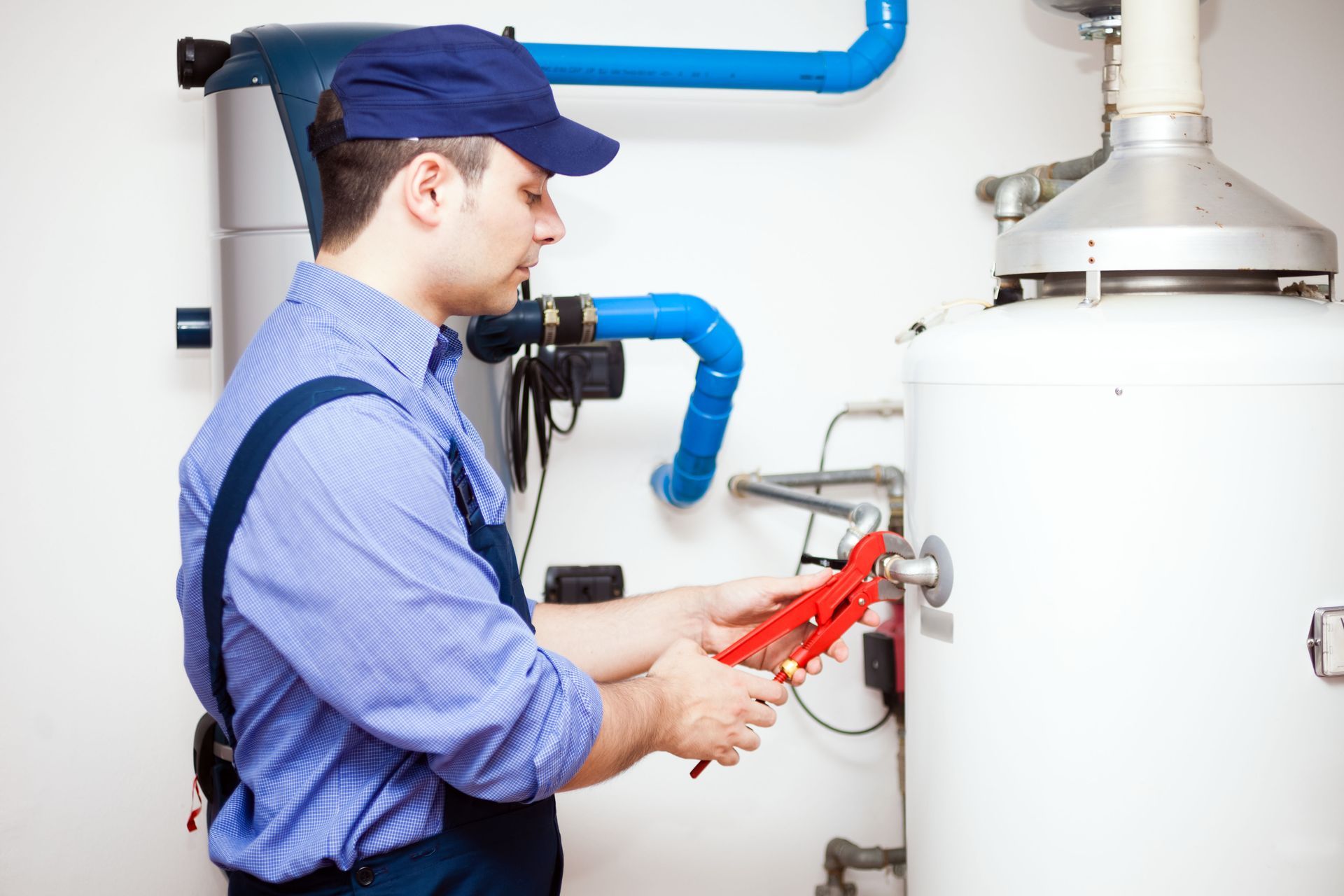
A steady supply of hot water remains essential for the daily comfort, hygiene, and overall functionality of any modern household. From morning showers and dishwashing to laundry and sanitizing, dependable warmth from your plumbing fixtures is something most residents rely on every single day. When temperature fluctuations occur, water pooling appears around the tank base, or rumbling sounds emerge from the utility room, daily routines face an immediate disruption. Confronting these mechanical failures without professional insight often leads to uncertainty regarding whether a simple fix or a comprehensive overhaul is necessary. Finding an experienced technician who understands modern heating fixtures ensures that your plumbing network returns to optimal condition safely. Before welcoming a service crew into your home, asking targeted questions provides clarity, establishes expectations, and helps you select a qualified professional. Understanding the operational standards of your plumbing provider ensures that your water heater repair proceeds smoothly and efficiently.
1. What Credentials Do You Maintain for Plumbing Systems?
Verifying professional qualifications represents the essential starting point when welcoming a technician to evaluate residential plumbing fixtures. Modern water heating appliances operate under continuous pressure and involve complex interactions between water, electrical currents, or combustible fuel lines. Hiring an unlicensed individual to work on these high-pressure vessels introduces unnecessary safety hazards to your household and property. Qualified technicians hold active state licenses, maintain comprehensive general liability insurance, and carry workers' compensation policies that protect everyone involved throughout the duration of the project. A reputable company gladly provides documentation verifying that its technicians have undergone rigorous trade schooling and ongoing safety education. Adhering to municipal plumbing regulations and manufacturer guidelines ensures that every connection remains compliant with regional building standards. Beyond protecting your personal safety, validated credentials ensure that any existing manufacturer equipment protections remain valid after the work concludes. Inquiring about professional credentials gives you complete confidence that your scheduled water heater repair is being handled by a knowledgeable and fully certified specialist.
2. What Experience Do You Have With My Heating Equipment?
Residential plumbing setups vary significantly across different neighborhoods, encompassing everything from traditional storage containers to high-efficiency modern options. Every configuration features distinct venting mechanics, heating elements, burner assemblies, and electronic control boards. Asking technicians about their direct background with your specific brand and model ensures they understand the unique operational nuances of your system. According to This Old House, replacing a 40-gallon water heater with a tankless model is entirely feasible, although the transition may necessitate updates to existing electrical wiring or gas connections. Technicians who routinely navigate these structural differences can quickly determine whether a particular malfunction stems from improper initial setup, aging elements, or utility constraints. When technicians possess familiar knowledge of your exact setup, they identify failed components swiftly without relying on guesswork or trial and error. Ensuring that your service provider possesses specialized familiarity with your equipment design streamlines the entire water heater repair from start to finish.
3. What Methods Do You Use to Diagnose the Underlying Problem?
Addressing the visible symptoms of a malfunction without identifying the root mechanical failure only leads to repeated breakdowns. For instance, a lukewarm shower might result from a broken dip tube, heavy mineral sedimentation along the tank floor, or a faulty heating element. Simply swapping out a single component without investigating why it failed leaves the underlying vulnerability unresolved. Inquiring about diagnostic protocols helps you determine whether a technician performs comprehensive evaluations or merely implements temporary superficial fixes. A thorough professional examines incoming water pressure, inspects the condition of the sacrificial anode rod, tests electrical resistance, and checks for hidden hairline fractures. Dedicated technicians take the time to explain their technical findings in clear language, detailing how each worn element impacts total system operation. Systematic troubleshooting prevents recurring operational headaches and guarantees that underlying issues receive proper correction. Thorough diagnostic assessments provide long-term reliability and eliminate the need for another premature water heater repair shortly down the road.
4. What Replacement Components Do You Plan to Install?
The durability of any mechanical restoration depends directly upon the quality and structural integrity of the parts installed during the visit. Some service providers cut corners by utilizing generic, low-grade aftermarket components that degrade rapidly under constant thermal pressure. In contrast, dedicated specialists install original equipment manufacturer parts designed specifically to meet the rigorous tolerances of your appliance. Inquiring about the origin and grade of replacement valves, thermostats, heating elements, and burner assemblies ensures that your system receives durable components. High-caliber parts maintain optimal thermal efficiency, prevent premature corrosion, and function seamlessly alongside existing mechanical assemblies. Furthermore, manufacturer-approved components preserve existing equipment warranties, ensuring that your long-term protections remain fully intact. A technician dedicated to excellence will gladly explain the specifications of the replacement parts selected for your home. Installing durable, factory-grade components ensures that your upcoming water heater repair provides enduring comfort and lasting operational dependability.
5. What Safety Protocols Do You Follow on the Property?
Servicing high-capacity water systems requires rigorous adherence to strict residential safety procedures to prevent property damage or personal harm. Discharging scalding water, disconnecting high-voltage electrical circuits, or manipulating natural gas valves requires specialized knowledge and meticulous care. Homeowners should inquire about the exact precautions technicians take to safeguard surrounding floors, drywall, and utility spaces from water leaks or physical scuffs. Dedicated technicians place protective drop cloths throughout the work area, utilize heavy-duty hoses for controlled drainage, and carry specialized testing equipment to detect subtle gas leaks. Inquiring about ventilation checks ensures that exhaust gases vent completely outdoors rather than accumulating inside enclosed basements or utility closets. Prioritizing meticulous safety measures guarantees that every stage of your water heater repair protects the physical health of your household and the structural stability of your home.
6. What Written Documentation Do You Provide After the Service?
Clear communication and detailed documentation remain the hallmarks of exceptional residential service. Before any physical labor commences, asking for a detailed written breakdown of the proposed scope of work prevents misunderstandings. This formal document should outline the specific components requiring replacement, the anticipated timeline for completion, and the exact steps the technician will undertake. Having the project scope documented in clear writing establishes mutual accountability between the homeowner and the service team. Additionally, you should ask about post-service documentation, such as written receipts detailing the completed work and comprehensive workmanship guarantees. Written guarantees demonstrate that the service provider stands behind the caliber of their craftsmanship and will return promptly if unexpected operational hitches arise. Never rely on informal verbal agreements when dealing with major home mechanical systems. Securing thorough written documentation ensures complete clarity and transparency throughout every phase of your water heater repair.
Maintaining a dependable flow of warm water is vital for the smooth operation and daily comfort of your household. When mechanical hiccups arise, approaching the situation with targeted questions empowers you to partner with a skilled, qualified service professional. Inquiring about professional credentials, specific equipment background, diagnostic methodologies, component standards, and safety standards ensures that your plumbing network receives outstanding care. Taking a proactive approach shields your home from shoddy workmanship, prevents recurring mechanical headaches, and extends the operational lifespan of your essential equipment. Prioritizing thorough preparation and open communication turns an otherwise stressful appliance issue into a seamless, straightforward restoration project.
If you are ready for dependable water heater repair solutions, contact us at H&H Plumbing & Septic LLC today. We will help you restore reliable comfort and peak performance to your residential system.